

Mass Displacement from Al-Kurmuk Amidst Escalating Conflict in Blue Nile Region
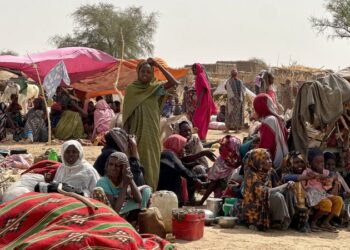
ED DAMAZIN, SUDAN – March 26, 2026 – A humanitarian crisis of significant proportions is unfolding in Sudan’s Blue Nile region, with approximately 73,000 individuals reportedly fleeing their homes in Al-Kurmuk following recent attacks. The exodus, primarily comprised of women and children, highlights the severe impact of the ongoing conflict on civilian populations.
The town of Al-Kurmuk, a strategic border location, was reportedly seized on March 24th by a joint offensive involving the Rapid Support Forces (RSF) and the Sudan People’s Liberation Movement-North (SPLM-N) faction led by Abdelaziz al-Hilu. This offensive has not only triggered widespread displacement but has also led to accusations that Ethiopia may have facilitated the attack from its territory, a claim that, if substantiated, could significantly complicate regional stability.
Data compiled by the Blue Nile Humanitarian Emergency Room, referencing information from the United Nations Office for the Coordination of Humanitarian Affairs (OCHA), indicates that 73,406 displaced people have sought refuge in Ed Damazin and its surrounding areas. This influx has placed an immense strain on resources and infrastructure in the host communities.
The humanitarian situation on the ground has been described as “extremely harsh,” painting a grim picture of the unfolding tragedy. Displaced families are contending with a precarious existence, marked by severe shortages of essential resources.
- Food Scarcity: Access to adequate food supplies is a critical concern, with reports of acute shortages affecting the displaced population.
- Water and Sanitation Crisis: The lack of clean drinking water and insufficient sanitation facilities pose immediate health risks and exacerbate the already dire conditions.
- Overcrowding and Inadequate Shelter: Temporary shelters are severely overcrowded, and the absence of sufficient housing solutions further compounds the challenges faced by those who have lost their homes.
The Blue Nile Humanitarian Emergency Room has underscored that the current scale of the crisis has overwhelmed the capacity of local response teams. In response, a fervent appeal has been issued for immediate and coordinated intervention from all humanitarian partners. The organization stressed the urgent need for:
- Emergency Food Aid: Immediate provision of sustenance to prevent widespread hunger.
- Water and Sanitation Support: Essential services to ensure basic hygiene and prevent the spread of waterborne diseases.
- Shelter and Essential Supplies: Tents, blankets, and other crucial items to provide basic comfort and protection.
- Medical Assistance: Vital medical supplies and healthcare services to address injuries and prevent outbreaks of illness.
The intensification of violence in the Blue Nile region occurs against a backdrop of reports from Western media outlets suggesting Ethiopia’s potential involvement in hosting a secret training camp for thousands of RSF fighters. Such allegations, if proven true, would signify a direct Ethiopian role in the Sudanese conflict. This development could potentially bolster the RSF’s ranks with a substantial influx of new recruits, particularly as hostilities escalate across southern Sudan, further deepening the complexities and potential for wider regional instability. The ongoing conflict continues to exact a devastating toll on civilian lives and livelihoods, demanding urgent international attention and action.












Discussion about this post