

Nigeria’s Gas Sector Innovation: A Beacon for African Regulatory Cooperation
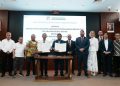
Nigeria’s burgeoning midstream and downstream petroleum sector is increasingly becoming a focal point for regulatory learning and collaboration across the African continent. In a significant move to foster knowledge exchange and highlight successful gas utilization strategies, the Nigerian Midstream and Downstream Petroleum Regulatory Authority (NMDPRA) recently hosted a delegation from Tanzania’s Energy and Water Utilities Regulatory Authority (EWURA). The visit provided EWURA officials with an in-depth look at Nigeria’s advancements in liquefied natural gas (LNG) and compressed natural gas (CNG) operations, exemplified by a tour of the Greenville Liquefied Natural Gas Company Limited facility in Rivers State.
The core objective of this high-level engagement was to offer tangible insights into how Nigeria is actively promoting gas utilization through robust and effective regulatory policies. Mr. Nwachukwu Osode, who led the NMDPRA team, emphasized that the visit was designed to grant the Tanzanian delegation firsthand experience with Nigeria’s progressive approach.
“Greenville LNG represents a strong example of private sector participation supported by an enabling regulatory environment,” Mr. Osode stated, underscoring the significance of the facility as a practical demonstration of Nigeria’s commitment to developing its gas resources. He further elaborated that the delegation would gain a practical understanding of Nigeria’s advancements in both CNG and LNG operations, crucial areas for energy diversification and economic growth.
The EWURA delegation was headed by Mr. Msafiri Mtepa, Director of Regulatory Economics. Mr. Mtepa acknowledged Tanzania’s current reliance on CNG but expressed the nation’s keen interest in expanding its energy portfolio to include LNG.
“Evolving global dynamics reinforce the need to diversify energy sources, and Nigeria’s experience offers a useful benchmark for developing a suitable framework at home,” Mr. Mtepa remarked, highlighting the strategic importance of learning from Nigeria’s successes. He noted that the insights gained from the visit would be invaluable in shaping Tanzania’s own energy regulatory landscape and facilitating the adoption of new technologies and strategies.
Greenville LNG: A Model of Innovation and Growth
The host company, Greenville LNG, through its Executive Secretary, Mr. Bamidele Eweje, warmly welcomed the visiting delegation. Mr. Eweje took the opportunity to articulate the company’s impressive growth trajectory and its role as a pioneering model for similar ventures not only within Nigeria but also across the broader African region.
“We are proud of our achievements and remain committed to collaboration and knowledge sharing,” Mr. Eweje declared, reinforcing the company’s dedication to advancing the gas sector.
Further elaborating on the technical aspects, Technical Director Mr. Werner Pirijns provided a comprehensive briefing on the plant’s intricate configuration and operational processes. His presentation underscored the substantial commercial potential inherent in natural gas, particularly when bolstered by strategic innovation, significant investment, and supportive regulatory frameworks.
Mr. Pirijns specifically highlighted the inherent versatility of the Greenville LNG facility as a provider of clean energy. He elaborated on its capacity to meet the diverse energy demands of both industrial sectors and the power generation industry, positioning it as a key player in Nigeria’s energy transition.
Operational Capacity and Future Expansion
Greenville LNG currently boasts a significant operational footprint. Its Phase I development includes three liquefaction trains, collectively capable of producing 2,250 metric tonnes of LNG per day. This output is crucial for supplying both power plants and a range of industrial clients, thereby contributing directly to Nigeria’s energy security and industrial development.
The company’s vision for expansion is equally ambitious. Phase II of its development plan will introduce two additional liquefaction trains, which will substantially increase the total production capacity to 5,250 metric tonnes per day. This expansion is poised to further solidify Greenville LNG’s position as a major supplier in the domestic market and potentially for export.
Beyond its LNG operations, Greenville LNG is also actively involved in promoting the use of CNG. The company operates L-CNG Autogas Stations strategically located across Nigeria. These stations play a vital role in supporting national initiatives such as Nigeria’s PiCNG (Petroleum Industry Act CNG) and the broader “Decade of Gas” agenda, which aims to leverage the country’s vast natural gas reserves for economic diversification and cleaner energy adoption.
Strengthening African Regulatory Networks
This impactful study visit forms part of a larger, continental initiative aimed at strengthening regulatory cooperation among African nations. By fostering these cross-border dialogues and sharing best practices, the NMDPRA and EWURA are contributing to the development of a more cohesive and robust gas value chain across the continent. Such collaborations are essential for unlocking the full potential of Africa’s energy resources, driving sustainable development, and ensuring energy security for all member states. The success of initiatives like the one at Greenville LNG serves as a powerful testament to what can be achieved through strategic investment, technological innovation, and effective regulatory oversight.











Discussion about this post