


Fuel Price Surge Sparks Panic-Buying Across Australia: Expert Analysis
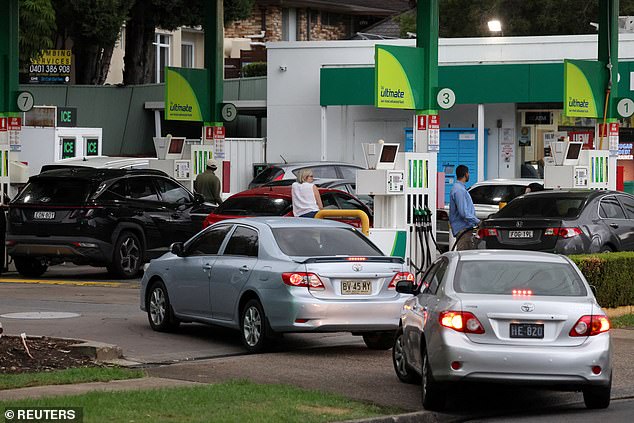
Recent weeks have seen a resurgence of long queues at petrol stations across Australia, a phenomenon reminiscent of pandemic-era disruptions. However, an expert in consumer behaviour suggests the motivations behind this current wave of panic-buying are distinct from those witnessed during COVID-19 lockdowns. While concerns over fuel supply, particularly for diesel, are a contributing factor, the primary driver appears to be a proactive response to anticipated price increases.
Tim Neal, an economist who has extensively researched large-scale panic-buying, explained that the behaviour observed during the pandemic was largely a reaction to potential supply chain disruptions caused by lockdowns. In contrast, the current fuel crisis is being fuelled by a more immediate concern: the expectation of rising prices.
“With fuel prices, there are supply concerns, especially when it comes to diesel,” Dr. Neal stated. “But what initially started the panic-buying was a price motive. People are stocking up because you expect future price increases.”
The Geopolitical Undercurrents of the Fuel Crisis
The current situation is intrinsically linked to escalating global tensions in the Middle East. A significant surge in oil prices has been observed since late February, following attacks by the United States and Israel on Iran.
In retaliation, Iran has reportedly targeted regional energy infrastructure and, critically, has affected maritime traffic in the Strait of Hormuz, a vital chokepoint for global oil and gas shipments. This has prompted responses from various nations grappling with the potential for widespread global fuel supply shortages.
Government Response and Measures
The severity of the situation has prompted a national cabinet meeting scheduled for Monday to address the ongoing fuel crisis. Energy Minister Chris Bowen has acknowledged the reality of shortages, particularly in regional areas, stating that “there are real shortages, particularly in regional areas, that need to be addressed.” He also confirmed that more petrol and diesel are being directed towards these affected regions.
Dr. Neal highlighted that sudden spikes in demand, driven by panic-buying, can rapidly outstrip available supply, leading to temporary outages. He cautioned that it is still too early to definitively determine the precise balance between supply disruptions and surging demand, but indicated that both factors are likely contributing significantly to the current predicament.
The Self-Reinforcing Nature of Panic-Buying
Once panic-buying takes hold, Dr. Neal explained, efforts to curb it often become limited due to its self-reinforcing nature. “All you need for panic-buying to be rational is to believe that other people are going to be panicking,” he remarked. This psychological element creates a feedback loop where the actions of others validate and amplify individual concerns.
In an effort to mitigate the impact of potential price gouging by fuel companies, the Australian Parliament passed legislation on Thursday afternoon introducing tougher penalties. This new legislation doubles the maximum fine for false and misleading conduct or cartel behaviour to $100 million, aiming to deter petrol suppliers and retailers from exploiting the shortages for profit.
Treasurer Jim Chalmers underscored the government’s commitment to consumer protection, stating, “We’re not immune from uncertainty and volatility in the global economy, but this action is all about protecting consumers and holding petrol suppliers and retailers to account.”
Looking ahead, Minister Bowen has indicated that the government is open to implementing measures designed to reduce fuel demand. These potential initiatives could include encouraging more people to work from home and exploring the possibility of increasing the ethanol content in petrol. The coming weeks will be crucial in observing how these multifaceted challenges are managed and their eventual impact on Australian consumers.

















Discussion about this post